
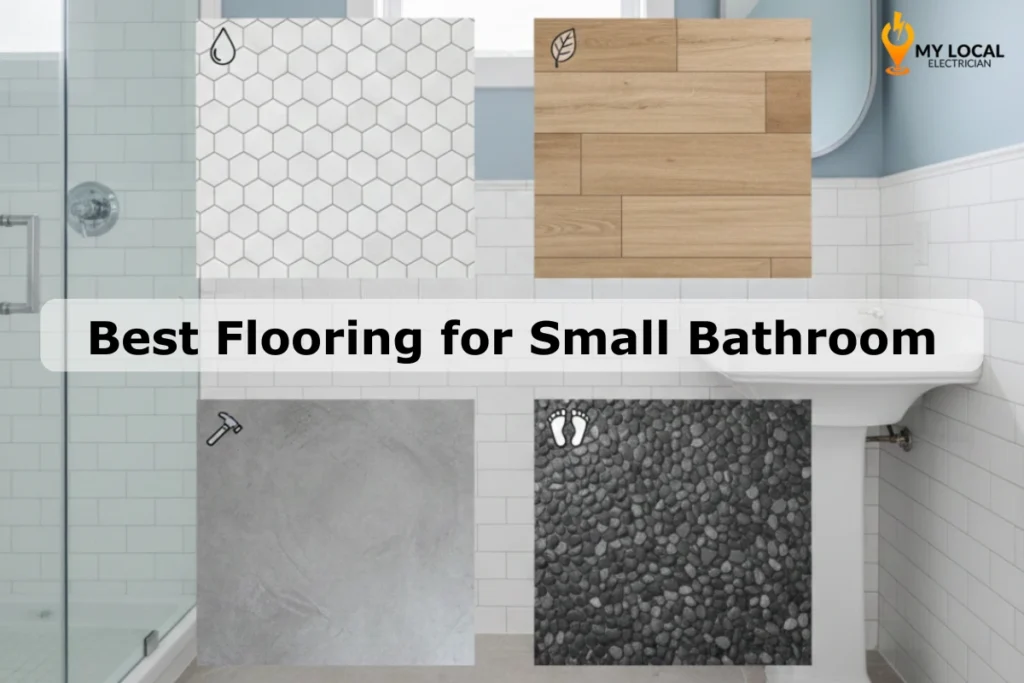
Who says small bathrooms can’t have stunning, themed flooring? Choosing the right floor can be a bit of a challenge. You might worry about it being too dark, slippery, or looking smaller. Especially during a bathroom renovation, your new design should enhance the existing space and add style.
Here’s where the smart strategy kicks in. When space is tight, every detail matters. The right flooring can turn those limitations into perks, making your bathroom appear brighter, larger, and more stylish. So, what’s the best flooring for a small bathroom? That really depends on your personal preferences, as everyone’s got their own taste. Still, there are some basic factors that everyone should consider for flooring in such a compact, splashy space.
Today, we’ll walk you through the best flooring ideas and smarter options to make your small bathroom pop. Let’s get started.
5 Things That A Small Bathroom Flooring Must Have
A small bathroom is the cosy little sanctuary you can call your most comforting spot in the house. No matter what style or theme you pick, here are the features a small bathroom flooring shouldn’t skip:
✔ Stylish Appearance: Whether you love sleek modern vibes, cosy rustic charm, or bold pops of colour, the right design turns your bathroom into a welcoming, one-of-a-kind space that’s totally you.
✔ Slip Resistance: Safety comes first. Choosing slip-resistant flooring is a game-changer, especially in a small space prone to water spills.
✔ Durability and Longevity: Since a bathroom is constantly exposed to moisture and high foot traffic, opt for materials that stand the test of time.
✔ Water Resistance: Water-resistant surfaces act as a barrier against humidity and splashes, stopping mould and warping in their tracks.
✔ Less or Non-porous Finishing: Go for less or non-porous finishes as they resist stains and mould, keeping your bathroom easy to clean.
What Is The Best Flooring For A Small Bathroom?
When it comes to sprucing up a tiny bathroom, Luxury Vinyl Tile (LVT) is often the cherry on top. It’s stylish, durable, and affordable — what’s not to love? But remember, personal preferences still play a big role. So, what is your top priority? Budget, look, comfort, or low maintenance? Once you know that, you’re ready to go. Let’s dive into some of the smartest flooring options that might just be your perfect match.
❏ Vinyl Flooring:
Small bathrooms call for flooring that’s both functional and stylish, and LVT (Luxury Vinyl Tile) ticks all the boxes. Made from PVC and fibreglass, vinyl floors are synthetic but beautifully mimic the look of real marble, wood, stone, or tiles. The waterproof top layer can handle high foot traffic, splashes, and humidity without breaking a sweat.
If you’re renting or want a quick makeover, peel-and-stick vinyl tiles are your best bet—they’re simple to put down and even easier to remove when needed.
Advantages of Vinyl Flooring:
- Anti-slip flooring.
- Water & Stain resistant.
- Durable and can withstand high foot traffic.
- Mimics real wood, marble, stone, clay, etc.
- Easy to install.
Cons of Vinyl Flooring:
- Not biodegradable as it is made of PVC.
- Some low-quality vinyl tiles are available, and if you can’t filter out the good ones, they wear out quickly.
❏ Glazed Ceramic Tiles:
Whether you’re going for a sleek modern look or a timeless traditional vibe, ceramic tiles truly steal the show. Made from natural clay, fired at high heat, and finished with a shiny glaze, they bring style and durability together.
For small, modern bathrooms with light foot traffic, glazed ceramic tiles are a perfect pick. They’re stain-resistant, long-lasting, and handle splashes with ease— ensuring your floor stays stunning for years.
Advantages of Glazed Ceramic Tiles:
- Biodegradable, as they are made from clay.
- Water-resistant.
- Less porous.
- Highly durable.
- Offers many colours and design options.
Cons of Glazed Ceramic Tiles:
- Ceramic tiles can get slippery if too polished.
- It takes longer to install than LVT.
❏ Porcelain Tiles:
For small bathrooms with heavy foot traffic, porcelain tiles are a smart choice. Made from denser clay and fired at higher temperatures than regular ceramic tiles, they’re more durable and resistant to wear and tear. Plus, they add a sleek, stylish look to any space.
Advantages of Porcelain Tiles:
- Denser and Biodegradable.
- Low porosity flooring.
- Resistant to water damage(from splashes and spills).
- Stylish appearance.
Cons of Porcelain Tiles:
- Hard underfoot and can be slippery if too polished.
- Difficult and costly installation.
- Need grout maintenance.
- Limited sound absorption.
❏ Natural Stone Tiles:
If you want slip resistance, limestone tiles are great for tiny bathrooms. For durability and water resistance, granite tiles are hard to beat. Marble tiles also make a beautiful statement, especially in small bathrooms. Just don’t skip sealing the grout lines; this is super important for marble & unglazed tiles.
Advantages of Natural Stone Tiles:
- Extreme durability and anti-slip surface.
- Requires low maintenance and is eco-friendly.
- Stands out with a timeless beauty.
Cons of Natural Stone Tiles:
- Requires diligent sealing to combat porosity.
- Hard to cut down.
- High upfront costs.
❏ Terracotta Tiles:
Terracotta is a raw, unglazed clay tile that brings a cosy, earthy feel to your bathroom. But heads up—if you’re planning to put it on a small bathroom floor, sealing and glazing are a must to protect it from moisture and stains. It’s not the most practical flooring option for everyone, but if you’re into unique, rustic looks, some folks still love using terracotta in their bathrooms.
Advantages of Terracotta Tiles:
- Slip-resistant.
- 100% safe for the environment.
- Comes with an elegant, earthy look with detailed designs on tiles.
Cons of Terracotta Tiles:
- Moisture damage may happen if it is not glazed and sealed properly.
- Requires frequent sealing and intense maintenance.
Small Bathroom Flooring: Additional Requirements
Once you’ve laid down those stylish tiles in your small bathroom, the job’s not quite done. There are a few more things to tick off your list to make sure your bathroom is both beautiful and functional. Let’s dive into what you need to know.
◆ Underfloor Heating (UFH): Say Goodbye to Cold Feet
Tiles tend to stay cold. Especially in a small bathroom, there’s rarely a spot that stays dry and warm. That’s why underfloor heating is a game-changer. Picture stepping out of a steamy shower onto a toasty floor—heaven, right? Just a heads-up: A regular tiler won’t cut it. Instead, go for a trusted company like My Local Electricians—they’ve got expert tilers, electricians, and UFH installers all in one team. It’s that investment in comfort you won’t regret.
◆ Sealing the Grout: Make it Waterproof
Properly sealing your grout lines is key to keeping your bathroom looking fresh and free from mould. Use anti-mould, water-resistant silicone sealants for a better outcome. Be careful and precise; a poor seal can ruin all your hard work.
This step is only non-skipable if you’re using unglazed tiles like natural stone or terracotta. Glazed tiles are more resistant and don’t need sealing.
◆ Laminating or Glazing: Go for Low Maintenance
Tired of sealing your unglazed tiles every few years? A smart fix is to glaze or laminate them. It’s like putting a protective coat on your tiles—less upkeep, more chill. It’s a simple upgrade that pays off in the long run.
Top Flooring Ideas For A Small Bathroom You May Choose
It takes a solid strategy where your desires meet functionality. Here are some top ideas to transform your small bathroom into a luxurious, modern oasis:
Keep It Simple & Modern
Even though the space is tiny, your ideas don’t have to be. Now’s the time to make your small bathroom feel indulgent. Opt for lighter tones—think pearl white or soft beige—paired with marble-like textures or LVT flooring that mimics stone. It’s a simple, elegant move that makes a big impact.
Go Big with Wide Tiles
Large tiles mean fewer grout lines and a more seamless, spacious look. They cheat the eye into making your bathroom appear bigger and more open. Skip unglazed tiles—glazed options reflect light beautifully, brightening the room and enhancing the sense of space.
Classic Look with Chequerboard Tiles
Lay black and white chequerboard tiles on both the floor and walls to create the illusion of a larger space. This uniform tiling hides edges and reduces visual clutter. Choose from LVT, glazed ceramic, or porcelain tiles to keep your theme cohesive.
Opt for Diagonal Tiles
When space is tight, smart storage is a must. Diagonal tiles add an illusion of depth and openness, making your small bathroom feel more breathable and inviting.
Go Bold with Patterns
Bold, patterned floors paired with neutral walls create a striking contrast. Geometric prints on LVT or ceramic tiles instantly draw the eye and add a touch of style and sophistication. You look for small bathroom colour ideas on Pinterest, too.
Expert Tips For Small Bathroom Flooring
- Choose light shades and large tiles to make the space feel bigger.
- Lay tiles in a way that creates an illusion of more space.
- Match the grout colour with the tiles to minimise visual clutter.
- Avoid overly polished floors, as they can become slippery.
- Ensure the tiles are water-resistant and durable; if sealing is needed, use waterproof sealants.
Final Words
So, what is the best flooring for a small bathroom, in your opinion? No matter what it is, the basics still matter. Some folks want to keep costs low, others stick to a theme, and some just don’t have a strong preference. Everyone’s got their favourite colours, tile patterns, or shapes—these vary from person to person. However, the technical and functional needs are quite similar for everyone. At the end of the day, it’s all about finding a balance between style and practicality that works for you.
Want your tiny bathroom floor to look stunning and hold up over time? Focus on durability, water-resistance, and low maintenance. When in doubt, go for timeless options.
FAQ About Small Bathroom Flooring Ideas
What Is The Best Tile For A Small Bathroom Floor?
Luxury Vinyl Tile (LVT) is often the top choice for small bathroom floors due to its durability and style. Other options like vinyl sheets, glazed ceramic, porcelain, and natural stone tiles also fit well in tight spaces.
Which Colour Looks Good On A Floor Tile For A Small Bathroom?
Opt for light shades such as white, pearl white, beige, and light grey. Bold geometric patterns can add visual interest without overwhelming the space.
What Is The Most Durable Flooring For A Bathroom?
Porcelain, glazed ceramic, LVT, and natural stone tiles are proven options to be the most durable flooring materials for bathrooms. They resist heavy traffic, splashes, and stains.
How Long Does A Small Bathroom Flooring Installation Take?
Vinyl flooring can be installed in about 3 to 6 hours or up to a day. Installing ceramic, porcelain, natural stone, or laminate tiles can take from 2 to 5 days, depending on complexity.
How Much Does A Small Bathroom Flooring Cost?
In the UK, expect to pay between £250 and £1,500 for a professional small bathroom floor installation. Extra features or customisations may increase expenses.
What Should Be The Tile Size For A Small Bathroom Floor?
Using large tiles, such as 600x600mm or rectangular 300x600mm, helps create a sense of space and openness in a small bathroom.
Can I Install Underfloor Heating Beneath A Small Bathroom Floor?
Yes, underfloor heating is a smart addition to any bathroom, small or large, providing warmth and comfort.