
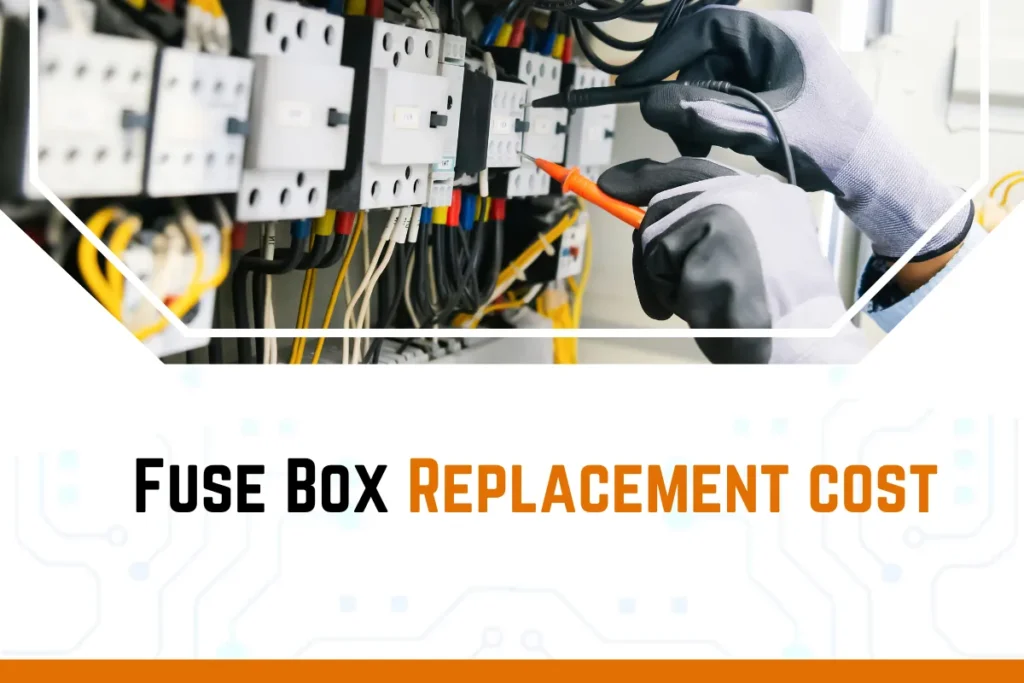
Replacing a blown fuse or upgrading your fuse box is a crucial safety update. While most London homeowners are opting for consumer units instead of traditional fuse boxes, some still use the older systems. Replacing a fuse box often becomes a sudden emergency, like late at night or during off-hours, when you really need it fixed fast.
But what about the cost? How much does it actually cost to replace a fuse box? Typically, around £500 is the average price for replacing a fuse box or consumer unit.
Thinking of DIY? That’s not just risky, it’s also against electrical safety laws. You’ll need a licensed electrician to do the work properly.
In this blog, we will outline a comprehensive fuse box replacement price guide, point out the main signs indicating a replacement is needed, and explain what factors impact the cost. Let’s dive in.
What is a Fuse Box?
A fuse box is the heart of your home’s electrical system. It acts as the central hub that manages and distributes electricity safely across your property.
By doing so, it helps prevent dangerous electrical issues like short circuits, fires, and overloads. It’s built-in safety features that shut off power when wires overheat or get overloaded.
Key components of a fuse box are:
⇒ Main Switch
This manual switch lets you cut off all power to your home instantly. It’s crucial for emergencies or maintenance.
⇒ Circuit Breaker
Every circuit in your house is protected by a circuit breaker. When a circuit gets overloaded or shorted, these safety devices automatically disconnect power, preventing potential fires and electrical damage.
⇒ Residual Current Devices (RCDs)
Modern fuse boxes feature RCDs, also known as residual current devices. These detect any current leaks and shut off the power immediately, protecting you from electric shocks and reducing fire risks.
How Much to Replace a Fuse Box? Step-by-step Cost Breakdown
A fuse box replacement cost may vary depending on several factors. Typically, it ranges from £350 to £750.
Here’s a step-by-step cost breakdown:
❏ Pre-installation Inspection Cost:
| Property Size (Number of Beds) | Number of Circuits | Average Inspection Cost |
| 1-2 | 4-6 | £120-£180 |
| 3 | 8-10 | £180-£250 |
| 4-5 | 12+ | £250-£350+ |
❏ Old Unit Removal Cost:
| Cost Type | Average Range |
| Installation in a New Spot & Rewiring for the New Fuse Box | £200+ |
| Asbestos Backboards Disposal | £100-£200 |
❏ Supply Cost:
| Supply Type | Average Cost | |
| Standard Dual RCD Units | 10-way unit | £70-£100 |
| With integrated SPD (Surge Protection) | £90-£140 | |
| Premium RCBO Units | RCBO Enclosure (a metal 10-way casing with a main switch and SPD) | £60-£80 |
| RCBO Breaker | £12-£20 (each breaker) | |
| RCBO for a 10-circuit House | £180-£280 | |
| Essentials & Upgrades | Meter Tails (25mm²) | £4-£6 per metre |
| Main Earth Terminal (MET) | £5-12 per new grounding block | |
| Tails Clamp | £5-£10 (required if not included) | |
| Labels & Blanks | £1-£3 each | |
❏ Fuse Box Replacement Cost by Property Size:
| Property Size | Number of Circuits | Estimated Cost |
| 1-2 Bedroom Flat | 4-6 | £350-£500 |
| 3-Bedroom House | 8-10 | £480-£750 |
| 4+ Bedroom House | 12-16+ | £750-£1200+ |
| Garage/Workshop | 2-4 | £330-£440 |
❏ Labour and Installation Costs:
Typical Labour Costs:
| Labour Type | Average Cost |
| Daily Rate | £300-£550 |
| Hourly Rate | £45-£60 (regional areas) £80-£100 (London & South East) |
Labour Cost by Home Size:
| Number of Bedrooms | Number of Circuits | Estimated Labour Cost |
| 1 | 4-6 | £200-£250 |
| 2-3 | 8-10 | £230-£280 |
| 3-4 | 12+ | £260-£300+ |
Fuse Box Installation Costs:
| Type of Installation | Typical Range |
| Basic Dual RCD | £550-£850 |
| RCBO Upgrade | £700-£1200 |
| High-Spec With SPD | £900-£1400+ |
| Complex Installs | £1200-£2000+ |
❏ Certification and Regulation Costs:
When replacing a fuse box, a professional electrician must perform safety checks to comply with BS 7671.
| Certificate/Regulation Type | Average Cost |
| Electrical Installation Certificate(EIC) | £100-£200 |
| Part P Building Regulations Notification | £20-£40 |
❏ Earthing & Bonding Upgrade Costs:
| Job Type | Average Cost |
| Earth Rod Installation | £150-£250 |
| Meter Tail Upgrade | £60-£100 |
| Water Pipe Bonding | £120-£180 |
| Gas Pipe Bonding | £120-£180 |
❏ Fuse Box Replacement Cost by Regions:
| UK Region | Average Cost(RCD unit) | Average Cost (RCBO unit) |
| London & South East | £650-£950 | £950-£1300 |
| South West & Bristol | £550-£750 | £800-£1100 |
| Midlands(Notts/Bham) | £450-£650 | £750-£950 |
| North West(Lpool/Manc) | £450-£600 | £700-£900 |
| North East & Yorkshire | £400-£550 | £650-£850 |
| Scotland & Wales | £450-£650 | £700-£950 |
What May Affect the Fuse Box Replacement Costs?
Replacing your fuse box isn’t a one-size-fits-all expense; it depends on a bunch of factors. Whether you’re upgrading or fixing an old unit, knowing what impacts the price can help you plan your budget more smartly.
Things that could hike up the cost of your fuse box swap:
◆ Type of Fuse Box or Consumer Unit
The biggest cost factor is the type of unit you choose. Modern consumer units with advanced safety features like RCD (Residual Current Device) or RCBO protection tend to cost more than basic models. However, they offer better protection against electrical faults and are often required to meet current regulations.
◆ Size of the Property
Larger homes usually need more circuits to power appliances, lighting, and systems. This means a bigger consumer unit and more installation work, which naturally increases the overall cost.
◆ Condition of Existing Wiring
If your current wiring is outdated or unsafe, it may need partial or full rewiring before a new fuse box can be installed. This can increase costs, especially in older properties.
◆ Labour Costs and Electrician Rates
Labour charges fluctuate based on the electrician’s experience, qualifications, and location. Hiring a certified and experienced electrician may cost more upfront, but it ensures safety and compliance with regulations.
◆ Complexity of Installation
A straightforward replacement will cost less than a complex installation. Factors like difficult access, additional circuits, or upgrading earthing and bonding systems can increase labour time and expenses.
◆ Compliance with Electrical Regulations
Fuse box replacements must comply with strict electrical safety standards BS7671. This may include inspection, testing, and certification after installation, all of which add to the final cost.
◆ Location of the Fuse Box
If the fuse box needs to be relocated, for example, from a hard-to-access area to a more practical position, this will require extra labour and materials, raising the overall cost.
◆ Emergency or Out-of-Hours Work
Urgent replacements or work done outside regular hours (evenings, weekends, holidays) typically come with higher labour rates.
◆ Additional Upgrades or Features
Optional upgrades such as surge protection, smart monitoring systems, or extra circuit breakers will increase the total price.
Key Signs Your Fuse Box Needs Replacement
Replacements become an emergency when your fuse box is signaling that something is wrong. Here are the signs you should watch out for:
- Frequent Blown Fuses or Tripping Circuits: A strong indication that your fuse box is struggling to handle your home’s electrical demand.
- Outdated Fuse Box System: old-style rewirable fuse wire, a wooden backboard, or a cast-iron casing with ceramic fuses.
- No RCD Safety Protection: Lack of RCD (Residual Current Device) means risk of electric shocks and fire.
- Crackling, or Buzzing Sounds: Unusual noises may indicate a fuse failing, overloading, loose connections, or internal faults.
- Burning Smell or Scorch Marks: May indicate overheating, faulty wiring, or internal damage.
- Flickering or Dimming Lights: May signal an overloaded or failing fuse box.
- Overheating fuse box: The fuse box may be overloaded or have faulty components.
- Physical Damage: Signs of corrosion, water damage, or rust.
Bottom Line
Knowing how much to replace a fuse box gives you a crucial edge because fuse boxes can fail at any moment. With the rise of new technologies, UK homes are shifting to consumer units, leaving behind the old fuse boxes.
While it might seem like a costly move now, investing in a modern unit with top-tier safety features protects against electrical issues, cuts down fire hazards, and ensures you stay within the legal safety standards.
Top Fuse Box Replacement Questions & Answers
1. Can you replace a fuse box without rewiring?
Yes, definitely. If your existing wiring is in a safe condition and earthed properly, you need no rewiring for a fuse replacement.
2. How long does it take an electrician to replace a fuse box?
An electrician typically takes 3 to 6 hours to replace a standard residential fuse box.
3. Do I need an electrician to change a fuse box?
Yes, you must need a registered and qualified electrician to change a fuse box to ensure legal compliance, as the job is notifiable under Part P Building Regulations.
4. Is it illegal to have an old fuse box?
No, having an old-style fuse box is absolutely legal if it’s in good condition.
5. What is the lifespan of a fuse box?
Typically, a residential fuse box has an operational lifespan of 30 to 50 years.
6. How much is a new fuse box in the UK?
A new fuse box usually costs between £350 and £750 in the UK.